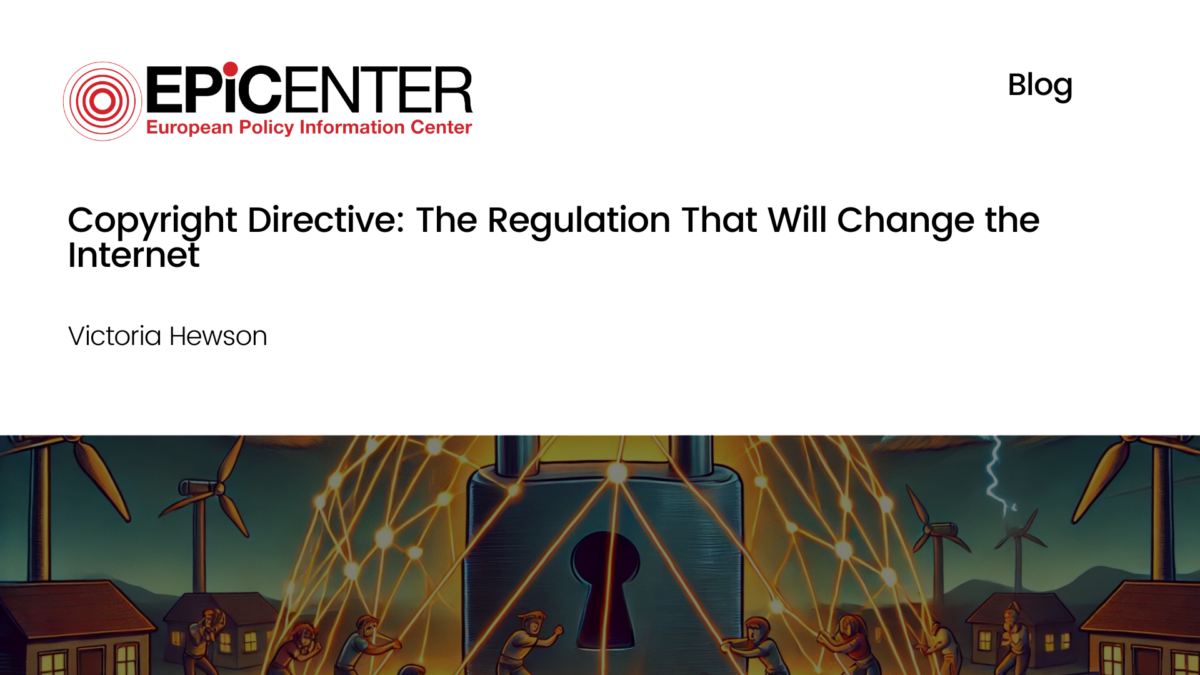

Yesterday, the European Parliament voted in favour of the Directive on Copyright in the Digital Single Market, in one of the final stages before it becomes law.
The Directive on Copyright in the Digital Single Market (the “Directive”) is back. The issues with the Directive were described in our September 2018 briefing The Copyright Directive – The EU Battles the Internet.
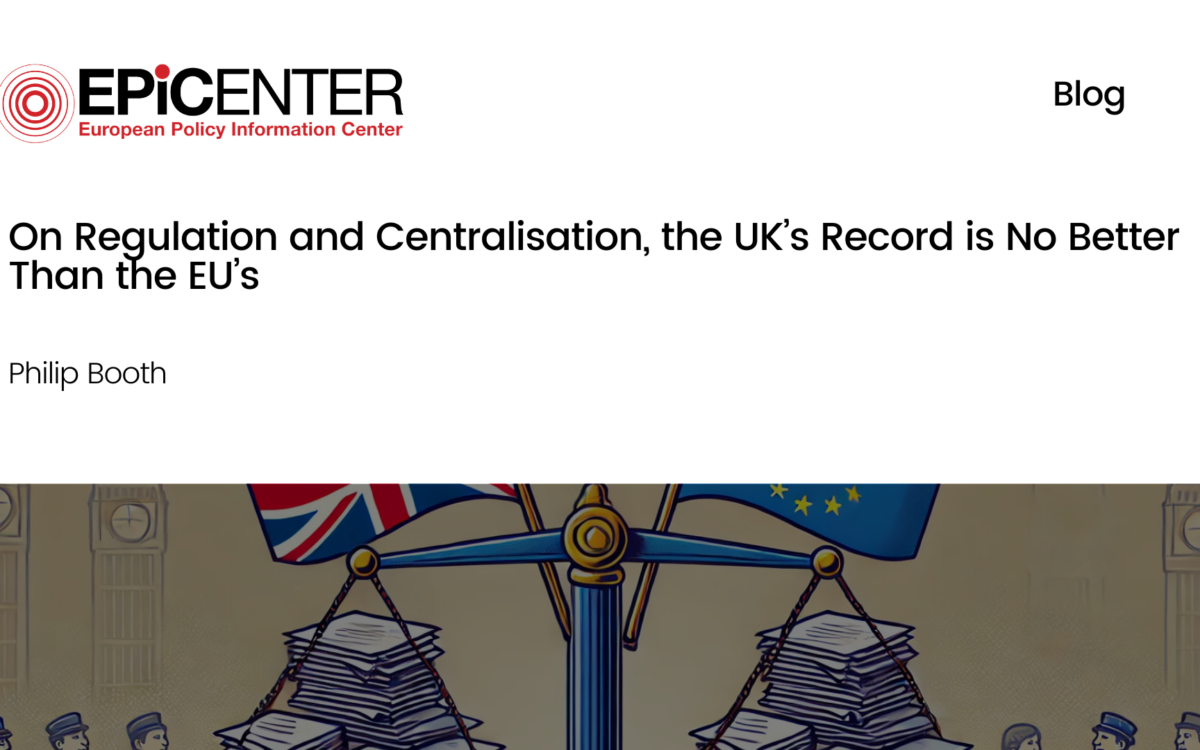
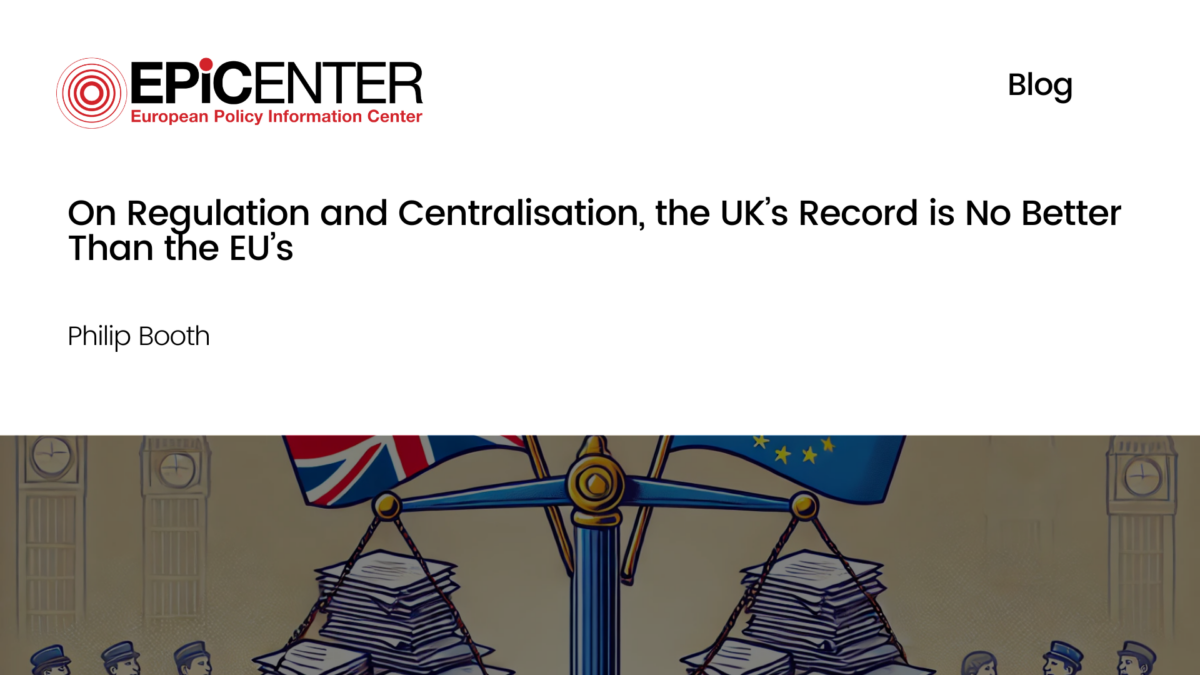
Those who voted for Brexit in the 2016 referendum on Britain’s membership of the EU rightly complained about the centralised political structures in Brussels.
In January the European Union announced a ‘significant’ increase of customs duties on Indica rice produced in Cambodia and Myanmar and exported to the EU.
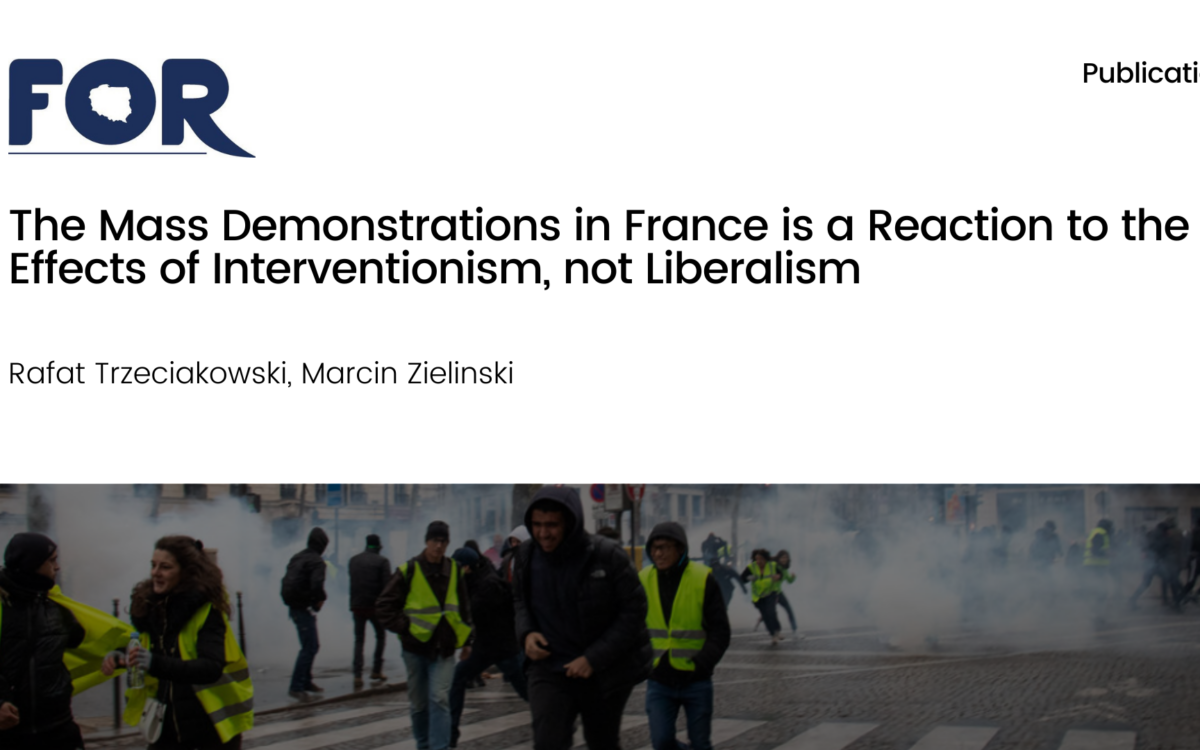
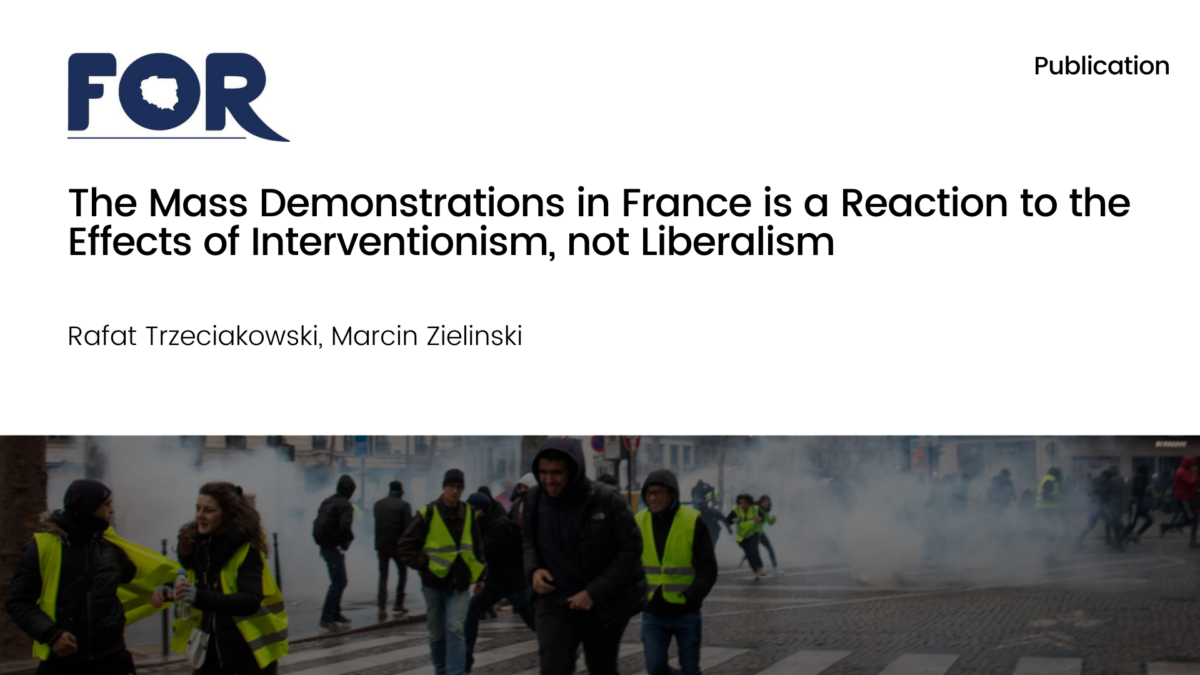
Mass protests of the “yellow vests” have been taking place in France since 17 November 2018. The catalyst of the demonstration was a fuel tax increase, supposed to place a disproportionate burden on the middle class from the province.
On the 26th April 2018, the European Commission adopted a proposal for regulating the relationships between online platforms and their business consumers.
On 20th December, the European Commission launched a (relatively brief) consultation on moving from unanimity to qualified majority voting (QMV) in the Council on certain tax issues. The public consultation closes on the 17th January, with “indicative planning” to be carried out this quarter.
The Employment Flexibility Index of LFMI quantifies a great divergence in employment regulations between EU countries. Of the 41 countries included in the index (EU and OECD countries), Denmark and the United States were ranked as having the most flexible labour regulations, while France and Luxembourg were ranked last.
13 December marks Credit Day across the European Union. This is the day when, on average, European countries’ central governments exhaust their annual tax revenue and start relying on borrowed money to fulfil their functions – 18 days before the end of the year. According to a study by the Institut Économique Molinari, this is 7 days later than last year, which is a substantial improvement.